Canberra Casino Searches: Hotels, Games and Verified Details
 Available in AU
Search phrases can suggest hotels, games or dining, but venues, availability, prices and facilities need independent confirmation.

Table of Contents
- Canberra Hotel Stays: What the Search Terms Do—and Don’t—Establish
- Poker Rooms and Tournaments: The Details That Need Confirmation
- Casino Games, Bars and Entertainment in Canberra
- Online Casino Searches and the Australian Legal Position
- Accommodation Near a Canberra Casino: Location and Deal Checks
- Breakfast, Buffet and Casino-Related Jobs
- Opening Hours, Events and Development: What Is Actually Verified
- Address, Dress Code, Bars and Spa Searches
- Restaurant Searches: Confirm the Venue Before Comparing Menus
- Food Options and Pool Facilities
Canberra Hotel Stays: What the Search Terms Do—and Don’t—Establish
A request for a Canberra casino hotel can describe a particular kind of stay: accommodation presented as part of a casino, with rooms and perhaps a package or deal attached. But the wording alone establishes only what someone is trying to find. It does not confirm that a casino hotel operates in Canberra, that rooms are available, or that a price or package exists.
That distinction matters because a hotel associated with a casino is not the same thing as a hotel in the same city as a casino. “Casino hotel” implies a connection between the lodging and the venue; “hotel near a casino” describes a location-based search. Neither phrase, by itself, verifies the property, the connection, the distance, or the current availability. Those details require an identifiable business and information that can be checked against it.
Room searches also need a confirmed property behind them. A request for casino hotel rooms may concern room types, dates, occupancy, inclusions or booking conditions. Without a named and verifiable hotel, there is no sound basis for comparing those terms. A room offer cannot be assessed by its headline alone: the relevant figure is the final price for the required stay, with its conditions and inclusions made clear. Where no actual offer is established, quoting a rate would be guesswork rather than comparison.
Choosing an online casino while in Canberra means weighing the details that matter to you before signing up. Use these short profiles as a starting point and check the terms that apply to your situation.
License: Curacao Golden Pokies is listed with a Curaçao license. That licensing detail is the available point of reference for this profile.
Payout speed: crypto ~90 minutes, fiat 1-5 days · Min. deposit: A$30 Kingmaker lists crypto payouts at around 90 minutes and fiat payouts at 1–5 days. Its minimum deposit is A$30.
License: Curacao – Antillephone N.V. (Versus Odds B.V.) · Min. deposit: EUR 20 Thor Casino lists a Curaçao license held by Antillephone N.V. (Versus Odds B.V.) and a minimum deposit of EUR 20.
License: Curacao eGaming (Roby Games Ltd) Roby Casino lists a Curaçao eGaming license held by Roby Games Ltd. This licensing information is the available basis for its profile.
License: Curacao eGaming OGL/2023/174/0082 (Dama N.V.) · Min. deposit: A$15 LevelUp Casino lists Curaçao eGaming license OGL/2023/174/0082, held by Dama N.V. Its minimum deposit is A$15.
License: Curacao Gaming Control Board OGL/2023/176/0095 (Hollycorn N.V.) GoldenCrown lists a Curaçao Gaming Control Board license, OGL/2023/176/0095, held by Hollycorn N.V.
License: Curacao eGaming (Dama N.V.) JeetCity Casino lists a Curaçao eGaming license held by Dama N.V. That licensing detail is the available point of reference for this profile.
License: Curacao Gaming Control Board (TechSolutions Group N.V.) Bizzo Casino lists a Curaçao Gaming Control Board license held by TechSolutions Group N.V.
License: Curacao · Min. deposit: A$20 (POLi) Lucky Dreams lists a Curaçao license and a minimum deposit of A$20 when using POLi.
Payout speed: crypto under 1 hour, PayID 1-3 business days · Min. deposit: A$20 (A$30 to qualify for the bonus) Ricky Casino lists crypto payouts in under an hour and PayID payouts in 1–3 business days. Its minimum deposit is A$20, or A$30 to qualify for the bonus.
The same applies to deals. A phrase such as “casino hotel deal” does not prove that a special rate is available, that it includes a room, or that it is linked to casino access. A deal has value only after its total cost and conditions are known. A lower advertised price may not represent a lower final bill if important inclusions or restrictions differ; without those particulars, there is no calculation to make. The packaging is not the amount payable.
The plural form—casino hotels in Canberra—does not establish a choice of properties. Search wording can imply that several options exist, but repetition or plural grammar is not evidence of supply. Before comparing hotels, the basic checks are whether each named property exists, whether it is genuinely presented as part of a casino, and whether the relevant stay can actually be booked. Until those points are settled, rankings and deal comparisons would give an appearance of precision without a verified basis.
The expression “hotel near a Canberra casino” should be handled separately. It may be intended as a practical alternative to a hotel operated by, or integrated with, a casino. Yet proximity is a measurable claim, not a quality conveyed by the word “near.” It depends on the location of both places and on the route being considered. A listing that uses casino-related wording does not, on its own, establish that a hotel is close to a venue or affiliated with it. Nearby accommodation therefore needs its own property and location checks; it should not be folded into the claim that a casino has a hotel.

A search about a casino’s hours is a different question again. Opening times cannot establish that a hotel exists, and hotel-room availability cannot establish that a casino is open. Each claim needs evidence specific to it. Combining them into one assumed package—stay, venue access and operating hours—would turn separate details into a promise that none of the wording proves.
For a Canberra stay, the dependable starting point is a confirmed property, followed by its room availability, dates, total price and booking conditions. Only then can a casino connection or a nearby location be assessed on its own terms. Until those particulars are established, “casino hotel” remains a description of the accommodation being sought, not proof of a hotel, a room or a deal.
Poker Rooms and Tournaments: The Details That Need Confirmation
A search for poker at a Canberra casino does not establish that a dedicated poker room is operating. The same applies to tournament listings: a result, old event announcement or third-party directory entry is not confirmation of a current venue or schedule. Before treating poker as an available part of a Canberra visit, the basic question is whether the named venue itself currently offers it.
“Casino rooms” can also mean different things. In a poker context, it may refer to a room set aside for card play; elsewhere, it may mean accommodation. Those are separate claims and need separate evidence. A hotel listing does not confirm a poker room, and a reference to poker does not establish that rooms for overnight stays are part of the same venue.
- Identify the specific operator and poker service
- Check for a current notice from the venue or event organiser
- Verify registration arrangements and entry costs
- Assume a venue offers poker based on a broad “casino” label
- Rely on old tournament announcements or directory entries
- Treat a map result or review as confirmed availability
What a poker-room listing should establish
A useful venue listing identifies the operator and the specific poker service, rather than relying on a broad label such as “casino” or “gaming.” It should make clear whether poker is offered in a dedicated room, as a scheduled event, or not at all. If the details come from a directory or a dated announcement, they should be checked against information issued by the venue.
The distinction matters because a poker room and a tournament are not interchangeable. A room could host regular play without a published tournament calendar; a tournament announcement could describe a single event without showing that ongoing poker is available. A venue name alone settles neither point.
For a tournament, the material details are the event date, format, registration arrangements, entry cost, start time and any conditions that affect participation. These should appear together in current information from the organiser. If an announcement omits a detail, that is an unresolved term, not a detail to fill in by assumption. An old schedule is especially weak evidence of a future event: dates expire, and event pages can remain visible after the event has passed.
Confirming a tournament before making plans
The strongest confirmation is a current notice from the venue or event organiser, supported by a direct response if any material point remains unclear. The notice should identify who runs the event and explain how registration works. If registration is closed, the event is full, or the schedule has changed, a general page describing poker will not resolve that status.

Availability should be treated as time-sensitive. A page that describes poker services does not, by itself, establish that a room is taking players on a particular day. Likewise, a tournament listing does not prove that it is running today, or that a venue is open now. Those are separate operating details and should be confirmed through a current official channel before travel.
The same verification standard applies to a “poker room” label in a map result or review. Check the date and source, then look for a matching statement from the venue. If the official information does not confirm poker, the practical conclusion is simply that availability has not been established—not that a room must exist because the phrase appears online.
For a Canberra casino poker room or tournament, the decision point is therefore documentary: a current venue identity, a clearly described poker offering and, for an event, complete and current terms. Without those, there is no sound basis for treating poker as a confirmed part of the visit. A sports bar listing, hotel-room result or general reference to casino facilities does not close that gap; each describes a different service.
Casino Games, Bars and Entertainment in Canberra
A request for baccarat or craps is a request for a specific table game, not evidence that a Canberra venue provides it. The same distinction applies to a bar, car park or concert programme: a search for an amenity does not establish that it exists, is open to visitors or is included with entry. Before making plans around any of these features, confirm the venue’s identity and its current information through an official channel.
Amenities like bars, car parks, and concert programmes should be checked independently, as their existence cannot be inferred from the word “casino”.
Game availability needs particular care. A venue may use familiar game names in promotional material without providing every game on site, and a game’s presence can depend on the venue’s current operations. A useful confirmation states the actual game, whether it is offered in person, and any conditions affecting access. General references to “casino games” are not a substitute for that detail. Where the information cannot be confirmed, the practical value of the claim is zero.
A bar is a separate amenity from a gaming floor. Its existence, service arrangements and access rules should be checked independently rather than inferred from the word “casino”. The same applies to a car park: a map pin or nearby parking result does not establish that parking belongs to a venue, is available to its visitors, or has terms suitable for a particular visit. A reliable listing should identify the relevant facility and explain any access conditions. Until then, parking should not be treated as part of the venue offer.
Concert searches call for a date-specific check. An old event listing establishes only that an event was advertised at some point; it does not confirm a current programme or future performance. Event details should identify the venue, event date and ticketing arrangements, with the organiser’s own notice taking priority over an undated directory entry. A venue name attached to a concert result is not, by itself, proof that the concert is being held there.
Contact details and maps are useful only when they identify the same confirmed venue. A map result can point to a similarly named business, an outdated listing or a general area rather than an entrance. A contact number copied across directories may also be stale. The sensible check is consistency: the official venue information should match the map location and the contact details before either is used to plan travel. No address or number should be treated as authoritative merely because it appears beside casino-related wording.
Online access is a different matter from visiting a physical venue. Under the Interactive Gambling Act 2001, operators cannot provide real-money online casino games to people in Australia. Using a VPN to access a region-blocked pokies site breaches the site’s terms and can lead to account suspension; it does not make the service locally lawful. Offshore platforms also sit outside Australian regulation, with limited dispute resolution and winnings potentially unprotected if an operator becomes insolvent.
For any gambling session, a budget set in advance is the relevant limit. Chasing losses or raising stakes to recover them changes the exposure, not the probability of a favourable result. A game label, bar listing, parking result or entertainment notice is useful only when the underlying venue and its current terms can be confirmed.
Online Casino Searches and the Australian Legal Position
An online casino is not a Canberra venue, and a website displaying casino games does not establish a lawful Australian service. Under the Interactive Gambling Act 2001, operators based in Australia cannot provide real-money online casino games to people physically located in the country. That restriction covers casino-style play such as pokies, poker, blackjack and roulette. A Canberra label, local-facing page or Australian currency display does not change the operator’s legal position.
Legal Risk
Under the Interactive Gambling Act 2001, real-money online casino games cannot be provided to people in Australia by Australian-based operators.
Offshore platforms sit in a different category, but not a safer one by default. It is technically not illegal for an Australian player to use an offshore platform; those platforms are not regulated under Australian law. That distinction matters when something goes wrong. A player may have limited dispute-resolution options, and winnings may be unprotected if the operator becomes insolvent. A claim displayed on a site is not equivalent to a remedy backed by Australian regulation.
Game access can also differ by location. Online casinos and software providers may block titles based on the player’s country. This can be implemented by using the IP address to estimate where a connection originates. When a game is region-blocked, it may not appear in the lobby from an Australian IP address; a game that is listed may also fail to load if a restriction applies. A lobby, therefore, is not a complete catalogue of what an account could access elsewhere.
These points help separate searches for online casino play from searches about a physical casino in Canberra. Terms involving dining, bingo or parking refer to venue-related topics; they do not establish that an online platform provides those services, or that a Canberra casino exists. Likewise, a website using Canberra in its wording is not evidence of a local address, a local licence or a venue connection.
The practical comparison is not simply whether a platform accepts a registration. It is whether the service is lawful for the operator to provide in Australia, what protections apply to a customer, and whether the games are available from the customer’s location. For offshore casino platforms, Australian regulation does not provide the same oversight or dispute route as it would for a locally regulated service. A displayed licence from another jurisdiction does not make an online casino an Australian-regulated provider.
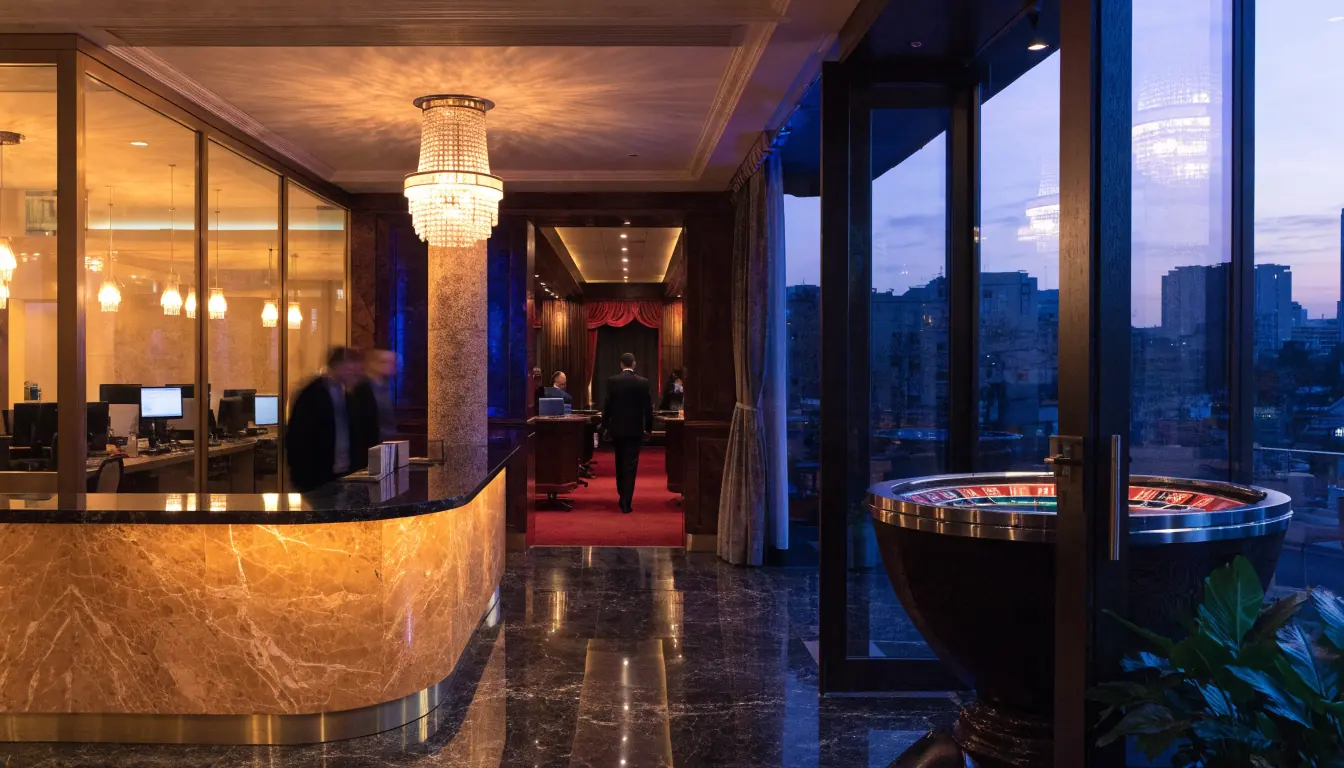
The title “best casino in Canberra 2026” should therefore not be read as an endorsement of an online casino. Online casino-style games offered to people in Australia by Australian-based operators are prohibited, while offshore sites remain outside Australian regulation and may restrict access to games. Neither a search result nor a game catalogue resolves those legal and financial distinctions.
Accommodation Near a Canberra Casino: Location and Deal Checks
Accommodation described as “near a Canberra casino” and a hotel presented as part of a casino are different propositions. A property can be marketed for proximity without being owned, operated or formally connected to a gaming venue. A casino-related label in a listing establishes neither the relationship nor the distance.
The distinction matters because the price being compared may cover different things. A room rate is not a casino package unless the offer specifies what connects the stay to the venue. A promotional banner or search-result description is not enough to establish that a benefit is included, available for the selected dates or redeemable on the stated terms.
Separate the property from the venue
A practical check begins with the accommodation provider’s own listing. It should identify the property, its location and the conditions attached to the quoted rate. Any claimed casino connection should be stated by the provider, rather than inferred from a nearby place name or promotional wording.
“Close to” is not a usable distance measure. Before comparing options, establish the route between the accommodation and the intended destination, including whether the stated distance is measured by road or another method. A map estimate can help assess location, but it does not confirm a venue’s identity or operating status. Those are separate details and should be confirmed independently.
Accommodation Checks
Establish the route and verify the provider’s own listing to confirm the relationship between a hotel and a venue.
The same applies to parking. A listing may mention parking at the accommodation, but that does not establish parking at a casino or explain whether the two are connected. If driving is part of the plan, treat each parking arrangement as a separate cost and condition; do not assume that a room rate includes parking elsewhere.
Calculate the deal, not the headline
A deal should be assessed by its final cost for the intended stay, not by the largest discount or “casino package” label. The amount due can depend on dates, room type, occupancy, cancellation conditions, deposits, taxes or fees, and whether the offer requires a separate booking or redemption step. If those terms are not visible before payment, the headline price is not a complete comparison.
Promotions also need a clear link to the accommodation. A casino promotion may concern gaming rather than lodging, while a hotel promotion may apply only to the room. Neither should be treated as a room discount, complimentary service or bundled benefit unless the written terms say so. Check who provides the offer, what is included, the eligible booking period and the conditions for receiving it.
Availability is date-specific. A displayed rate may not apply to another night, room category or booking channel. Comparing the same dates and equivalent room conditions is the only meaningful way to assess whether one offer is less expensive than another. A low starting price that excludes required charges can reverse the apparent saving.
For a Canberra stay connected to casino plans, keep three records distinct: the accommodation booking, any claimed venue relationship, and any promotion. Each needs its own provider and terms. That separation prevents a nearby hotel from being mistaken for a casino hotel, and a promotional phrase from being counted as money saved before the final payable amount is known.
Breakfast, Buffet and Casino-Related Jobs
Breakfast, buffet and employment searches describe different things, even when they include the same casino or resort wording. A breakfast listing would need to identify the venue and service; a buffet listing would need to confirm that meals are served in that format. Neither label, by itself, establishes that a Canberra casino offers either option.
The distinction matters because “breakfast” can refer to a meal served at a venue, while “buffet breakfast” describes a particular service arrangement. A general buffet search is broader still: it does not establish that breakfast is included, that service is available every day, or that the restaurant is part of a casino. Those points require a current, venue-specific menu or service notice. A dated page is more useful than a directory snippet that repeats a venue description without showing when it was checked.
The phrase “casino resort” also combines separate claims. It may be used as a broad description, but it does not prove that a casino operates in Canberra, that a resort is attached to one, or that breakfast or buffet dining is available. Each part should be confirmed independently before making plans around it. If the information cannot be traced to a named venue’s current material, the practical value is limited.
Rewards require the same separation between a label and its terms. A search result mentioning casino rewards does not establish that a Canberra venue runs a programme, who can join, what activity qualifies, or how any benefit can be used. A usable programme description would set out eligibility, earning rules, exclusions, expiry conditions and redemption options. Without those details, “rewards” has no calculable value; the word is packaging, not a benefit.
Casino Rewards
Casino rewards programmes require specific details to be useful. A reliable description should set out eligibility, earning rules, exclusions, expiry conditions, and redemption options. Without these, the term has no calculable value.
Jobs are a separate information need, not a feature of a venue. A result for casino-related work in Canberra should identify the employer, work location, role, employment type and whether applications are open. The title alone is not enough: an old listing, a recruitment agency summary or a generic hospitality role may not represent a current vacancy at a casino. Duties, required qualifications, pay conditions and application arrangements should be available in the actual advertisement or employer’s recruitment material.
It is also useful to distinguish a direct vacancy from an expression-of-interest page. The former describes a specific role to apply for; the latter may collect details without confirming that a position is available. A clear closing date or current status helps establish whether an application is still relevant. If those details are absent, the listing does not provide a reliable basis for treating the role as open.
For Canberra, breakfast service, buffet dining, rewards and casino vacancies should therefore be assessed as four separate claims. A resort description does not settle any of them, and a jobs result does not confirm a venue’s dining offer. The sound comparison is between current, named-venue information for meals and programme terms, and a live employer advertisement for work. Until those records identify the service or position, the wording alone does not establish what is available.
Opening Hours, Events and Development: What Is Actually Verified
A claim that a Canberra casino is open needs a current, attributable confirmation—not a page title, an old directory entry or a result that repeats another listing. Opening status is time-sensitive. A credible check should identify the venue, give a publication or update date, and state whether it is operating now. If those details are absent, the status remains unresolved; an opening-hours panel without a recent source does not settle it.

The same standard applies to reports of a reopening. A proposal, public discussion or reference to a possible future project is not evidence that a venue has resumed operations. A reopening claim needs a dated announcement from an identifiable operator or relevant authority, with language that distinguishes a confirmed opening from a plan. “Expected,” “proposed” and “open” are different stages, not interchangeable descriptions.
Events require their own confirmation. A calendar should identify the organiser, venue and event date, and should be recent enough to describe a current programme. An old listing can remain visible after an event has passed; a page describing entertainment in general does not establish that anything is scheduled. Search results that use a casino name are not, by themselves, proof that the event takes place at an operating Canberra venue.
Development coverage should be read by status rather than headline. A reported concept, planning discussion, application, approval and completed project describe materially different outcomes. The useful details are who is responsible, what stage the proposal has reached, and whether a dated official record supports the claim. Without those particulars, “development” is a topic label, not a completed project.
Employment references also need context. A vacancy listing should identify the employer, role and date, while a general careers page indicates only that employment information may be available. Neither establishes that a casino is open, and a job advertisement should not be treated as evidence of a confirmed reopening.
Operating Status
Attention Do not treat old directory entries, undated reviews, or general venue descriptions as proof of current opening hours or event availability.
A review has a similar limitation: it records an assessment at a particular time. Its date and the venue it describes matter. A current-sounding rating, an undated review or a menu attached to a page cannot independently establish present operating hours, events or development status. Menu details belong to a separate check and should not be used as a proxy for whether a venue is trading.
For a practical assessment, keep the claims separate: current operating status, scheduled events, employment notices and project progress each need their own dated confirmation. If a listing provides none, the defensible description is that the claim has not been established—not that the venue is open, closed or about to reopen. This is a small distinction with a large effect on the accuracy of a visit plan.
Address, Dress Code, Bars and Spa Searches
An address is the first practical detail to settle, but a location attached to a casino-related listing does not, by itself, establish that the listing is an operating casino. Before planning a visit, match the venue name and street address across an official venue page and a current map listing. Check that the address belongs to the venue itself, rather than a nearby hotel, club, office or development.
The same distinction applies to searches for a casino in Canberra. A business name, directory entry or map pin is not enough to confirm what operates at the site. If the venue cannot be identified consistently, directions and travel plans remain provisional. That is a small administrative check with a larger cost-saving effect: it prevents a trip being built around a label rather than an established destination.
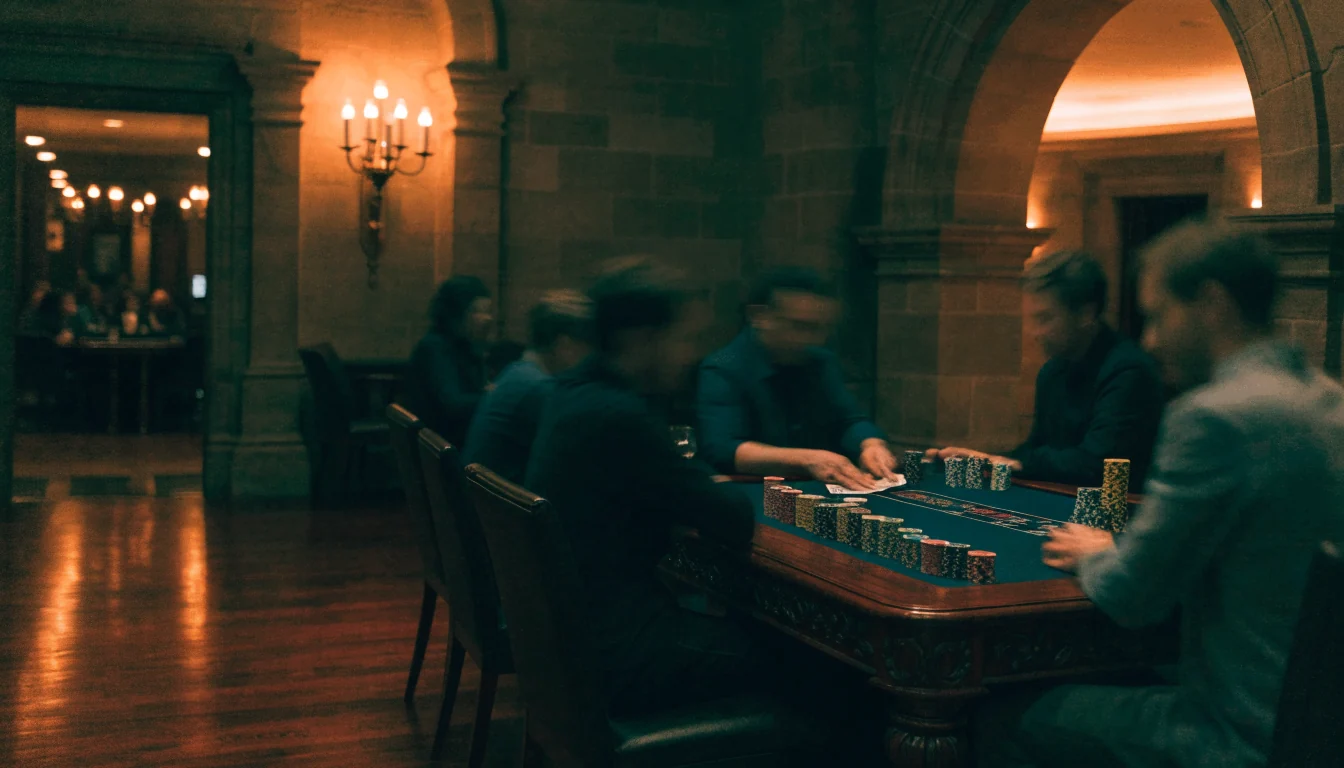
Dress-code information should also come from the venue’s own current guidance. A general assumption about casino attire is not a usable rule; requirements can differ between a gaming area, a bar and a special event. Where published guidance is unavailable, clothing expectations are unresolved rather than safely inferred. Arriving on the basis of an old directory description is a poor substitute for a current policy.
Bar and spa searches need similar care. A bar associated with a property may belong to a hotel or another business on the same site, while “spa” can refer to a separate operator or an unrelated service nearby. Confirm the business name, location and current operation before treating either as an amenity of a casino. The words on a listing establish a search category, not ownership or access.
Career searches are a different kind of enquiry. They concern employment, not a visitor service or proof that a venue is operating. A vacancy should be tied to a named employer and an official recruitment channel; an old listing or third-party post may not describe a current role. This check is separate from planning a visit and does not establish the venue’s address, facilities or opening status.
For practical planning, the order is straightforward: establish the venue’s identity, verify its address, then confirm any dress policy and the specific facilities intended for use. If one detail cannot be matched to an official, current listing, it should not be treated as settled. That keeps a bar, spa, career page or dress note from being mistaken for evidence of a Canberra casino with confirmed visitor facilities.
Restaurant Verification
- Confirm the restaurant’s name and location
- Verify the connection to the casino operator
- Check that the menu belongs to the specific venue
- Match the restaurant’s operating hours with the casino
Restaurant Searches: Confirm the Venue Before Comparing Menus
A search for a Canberra casino restaurant does not, by itself, establish that a casino operates in Canberra or that a restaurant is part of one. The wording can return nearby businesses, old listings, or pages that use “casino” as a location reference. Those are different claims, and they should not be combined into a single venue description.
Before comparing menus, establish what the listing actually identifies. A restaurant presented as being inside a casino should have a clear venue name and an explicit connection to the casino operator or premises. A business described as near a casino is separate unless its own details confirm otherwise. A map pin or a result title alone does not settle that distinction.
What a restaurant listing needs to show
A useful listing should identify the restaurant, its location and the business responsible for it. The menu should belong to that same named venue, rather than to a similarly named business or a page covering a different city. Where a page gives no clear address or operator, its menu cannot reliably be assigned to a Canberra casino.

Menu details also need to be tied to a current, identifiable source. Compare dishes and prices only when the listing makes clear which venue they apply to and when the information was checked. A copied menu, an undated directory entry or an image without context may describe a past offering. In that case, the apparent price comparison has no stable basis.
Opening information is a separate check. A restaurant page may not reflect the casino’s operating arrangements, and a casino listing does not establish that a restaurant is open at the same times. Treat any stated hours as specific to the restaurant and confirm that they belong to the same location as the menu.
The rooftop-bar searches require the same care. “Rooftop” describes a setting, while “bar” does not establish that a place is a restaurant or that it serves a full menu. A listing should explicitly identify restaurant service before being compared with restaurant menus.

For searches framed as restaurants at, in or near a Canberra casino, the decisive detail is the relationship between the named business and the claimed casino location. Until that is clear, there is no sound basis for attributing a menu, price or dining offer to a Canberra casino. The prudent comparison is between identifiable restaurants, not between search-result labels.
Food Options and Pool Facilities
Food searches can refer to very different things: a quick-service counter, a shared food court, takeaway, or a meal served somewhere within a larger venue. Those categories are not interchangeable. A listing for food near a casino does not establish that the food is inside it, and a general mention of dining does not confirm a food-court layout.
For a Canberra casino, the useful distinction is between a venue’s own facilities and independent businesses in the surrounding area. Before treating a food court as an amenity, confirm that current venue information identifies one on site. Then check what it contains, where it is located and whether it is operating when the visit is planned. Without those details, “food available” is too broad to support a practical decision.
A pool requires a separate check. It may be a facility attached to accommodation, a leisure centre nearby, or simply an unrelated result associated with the word “casino”. None of those possibilities establishes pool access as part of a casino visit. Venue information should specify whether the pool belongs to the property, who can use it, and whether access depends on a booking or another condition. If those terms are unclear, the facility should not be counted in the value of the visit.
The comparison is therefore straightforward: identify the exact venue, distinguish on-site amenities from nearby businesses, and confirm current access conditions before relying on either food or pool facilities. Search wording can suggest what someone hopes to find; it cannot settle ownership, location or availability. A food court and a pool are concrete amenities, not assumptions to add to a venue description.
Are online casino-style games restricted in Australia?
Yes. The Interactive Gambling Act restricts Australian-based operators from offering online casino games such as pokies, blackjack and roulette to players in Australia.
What does the legal status of offshore online casinos and NSW gambling law say?
Australian players are not technically prohibited from using offshore casinos, but those platforms are not regulated under Australian law. The Interactive Gambling Act bars Australian-based operators from offering online casino games to players in Australia.
Is there a way around region-blocked pokies?
A VPN can make your internet connection appear to come from another country, but a casino or game provider may still block access under its licensing rules.
Are pokie machine outcomes random?
Yes. Online pokies use a Random Number Generator, and each spin is independent, so previous results do not affect the next one.
What is pokies region blocking?
Region blocking restricts access to games based on a player’s location, commonly identified through their IP address. Blocked games may not appear in the lobby or may fail to load.
Prepared by the Crusino Casino editorial staff.